
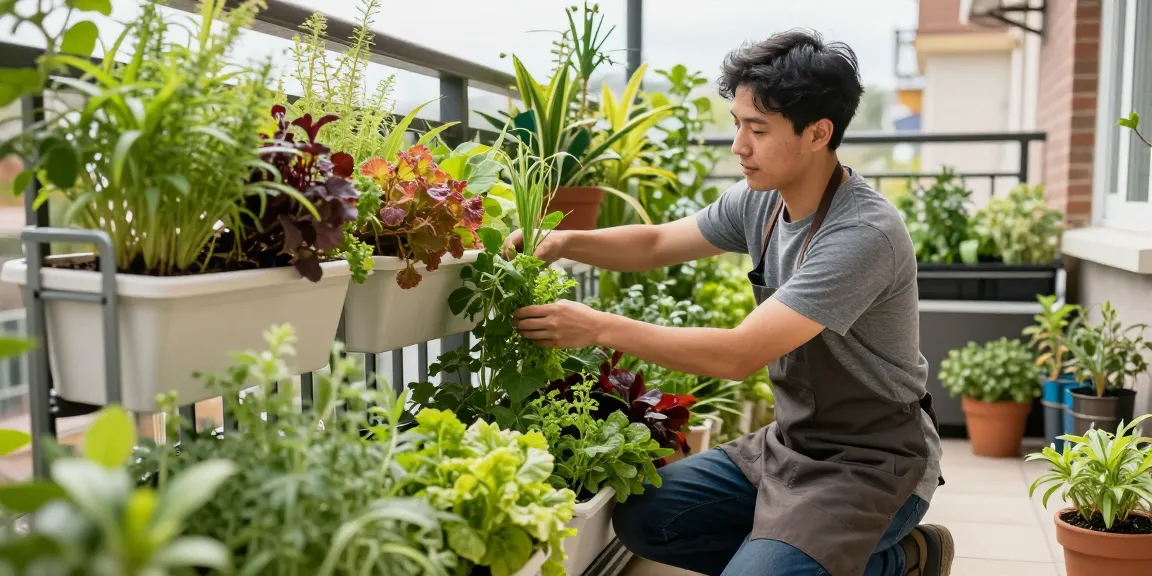
Understanding Vertical Gardens on Balconies
Creating a vibrant and functional vertical garden on your balcony is a fantastic way to utilize limited space while enhancing your living environment. With the rise of urban gardening, many city dwellers are transforming their small outdoor areas into lush green escapes. A vertical garden on the balcony not only allows for the cultivation of fresh herbs and vegetables but also adds aesthetic value to otherwise bare walls.
What Is a Vertical Garden?
A vertical garden, also known as a living wall, is a method of growing plants on vertical surfaces. This type of gardening is particularly beneficial for small spaces such as balconies, as it allows for the maximization of overhead space for plant growth. Vertical gardens can be created using a variety of structures, including wall-mounted planters, trellises, and modular kits that can be easily customized to fit any balcony layout.
Benefits of a Vertical Garden on Your Balcony
- Space Efficiency: Vertical gardens require much less ground space and make use of otherwise unused vertical areas, allowing even the smallest balconies to host a diverse array of plants.
- Improved Air Quality: Plants naturally purify the air, and having greenery at the heart of your living space can improve the overall air quality in your home.
- Aesthetic Appeal: Vertical gardens enhance the visual appeal of your balcony, providing a vibrant backdrop and creating a relaxing atmosphere.
- Accessibility: Plants are easier to manage, water, and harvest due to their elevated position, reducing strain on your back and knees.
- Enhanced Privacy: A lush vertical garden can also serve as a natural privacy screen against surrounding buildings or neighbors.
Evaluating Your Balcony Space for Vertical Gardening
Before diving into vertical gardening, it’s crucial to assess your balcony’s structure, exposure to sunlight, and overall conditions. Consider the following factors:
- Sunlight Exposure: Most vegetables and herbs thrive on 4-6 hours of direct sunshine daily. South-facing balconies typically receive the most sunlight, while north-facing ones may require shade-tolerant plants.
- Space Configuration: Analyze how your balcony is laid out. Narrow or compact areas may benefit from slim, vertical structures while providing access paths.
- Wind Consideration: Higher floors can experience strong winds. Selecting sturdy planters and securely anchoring them can prevent damage to your garden.
Steps to Create Your Vertical Garden
Planning and Designing Your Garden Layout
Your first step in establishing a vertical garden is to plan your layout. Sketching a design helps visualize how plants will be arranged and ensures you’re making the most of available space. Identify a mix of plant types, including herbs, salads, and flowering plants to create a diverse and visually appealing garden.
Choosing the Right Plants for Your Vertical Garden
When selecting plants, prioritize varieties that are well-adapted to container gardening and benefit from vertical growth. Popular choices for vertical gardens include:
- Aromatic Herbs: Basil, parsley, and mint are excellent options due to their compact size and utility in cooking.
- Leafy Greens: Spinach and lettuce grow well in small spaces and can be harvested multiple times throughout the season.
- Fruiting Plants: Strawberries and cherry tomatoes can thrive in vertical setups, producing abundant yields.
Essential Tools and Materials Required
Gathering the necessary tools and materials before starting your vertical garden will streamline the process. Here’s a list of essentials:
- Planters: Consider modular kits or wall-mounted planters that save space.
- Soil: Use high-quality, well-draining potting soil to ensure plant health.
- Watering System: A drip irrigation kit is recommended for efficient watering, particularly in warmer months.
- Fertilizers: Organic fertilizers can provide essential nutrients for your plants.
- Hand Tools: Basic garden tools like trowels and scissors will be needed for planting and maintenance.
Maintenance Tips for a Thriving Vertical Garden
Watering Techniques for Your Balcony Garden
Proper watering is crucial for maintaining a healthy vertical garden. Containers can dry out quickly, especially in warm climates, so consider adopting the following techniques:
- Drip Irrigation: Installing a drip irrigation system can automate watering, ensuring plants receive consistent moisture.
- Watering Schedule: Check soil moisture daily and water plants as needed, especially during hot weather.
- Mulching: Using mulch can help retain soil moisture and prevent weed growth.
Fertilization and Soil Management
Maintaining healthy soil is key to a thriving vertical garden. Over time, nutrients may be depleted, affecting plant growth. Implement these practices for effective soil management:
- Regular Fertilization: Feed plants with organic fertilizer every few weeks to replenish essential nutrients.
- Soil Testing: Test your soil pH and nutrient levels periodically to ensure optimal conditions for growth.
Common Mistakes to Avoid in Vertical Gardening
Even seasoned gardeners can make mistakes when setting up a vertical garden. Below are some common pitfalls to avoid:
- Overwatering: Plants in pots are more susceptible to root rot, so allow the soil to dry slightly between watering.
- Poor Plant Selection: Not all plants thrive in vertical setups; choose those that are well-suited for containers.
- Inefficient Structure: Using flimsy or unstable structures for supporting plants can lead to damage and loss.
Cost Considerations for Vertical Gardening
Pricing Breakdown for Equipment and Plants
Creating a vertical garden can vary in cost depending on the size and complexity of your setup. Here’s a rough pricing breakdown:
- Modular Kits: $50-$200, depending on size and materials.
- Plants: $2-$20 each, based on the type and size.
- Soil and Fertilizers: $20-$50 for quality brands.
- Drip Irrigation Systems: $30-$100 based on complexity.
Comparing DIY vs. Professional Vertical Garden Solutions
While DIY vertical gardening can save costs, consider professional services if you’re looking for customized installations or if your space requires specialized care. Compare the long-term benefits of each approach, including maintenance requirements and potential yield before making a decision.
Long-Term Savings from Your Vertical Garden
Though initial costs may seem high, a well-maintained vertical garden can lead to significant long-term savings by reducing grocery bills for herbs and vegetables. Additionally, homegrown produce often has higher taste quality by avoiding transportation costs and ensuring freshness. With careful planning and implementation, the rewards can far outweigh initial investments.
Frequently Asked Questions (FAQs)
How Much Sun Does a Vertical Garden Need?
A vertical garden needs at least 4-6 hours of direct sunlight daily to thrive. Be mindful of your balcony’s exposure when selecting plants.
What Are the Best Plants for Small Balcony Gardens?
Some of the best plants for small balcony gardens include herbs like basil and rosemary, leafy greens like arugula, and compact fruiting plants such as strawberries and cherry tomatoes.
How to Choose a Reliable Local Gardening Service?
Look for licensed and insured services with good customer reviews. Ask for references and check their experience with vertical gardens specifically. It’s also wise to obtain quotes from multiple providers to compare pricing and services offered.