Posted on

“Vertical Garden on the Balcony Survival Guide: Navigating Urban Gardening in 2026”

"Create a vertical garden on the balcony with trusted local services for a thriving green oasis."

Understanding Vertical Gardens on Balconies

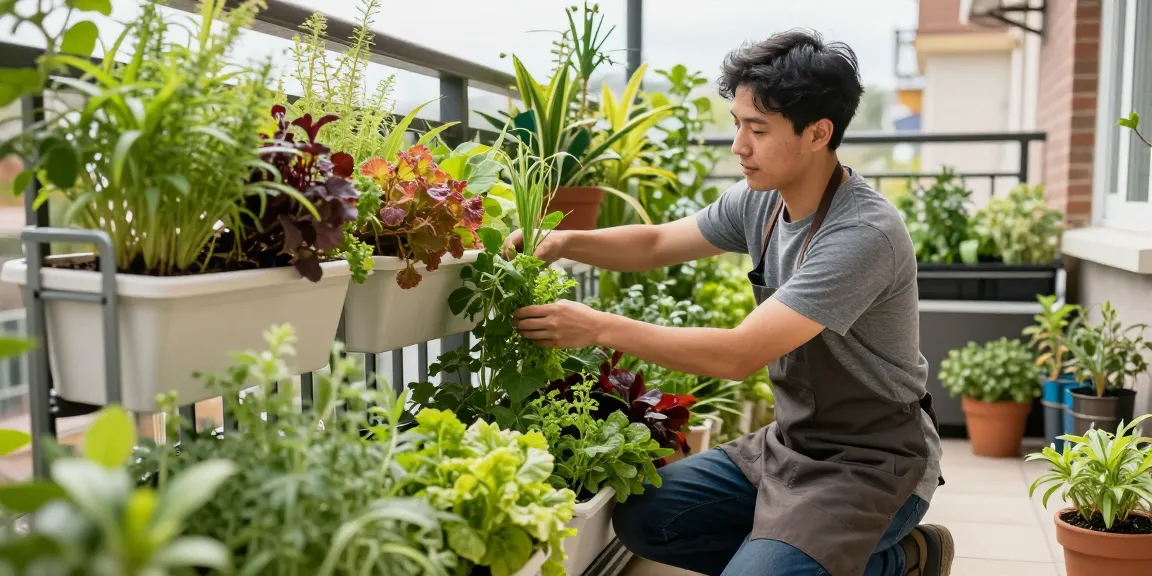
Creating a vibrant and functional vertical garden on your balcony is a fantastic way to utilize limited space while enhancing your living environment. With the rise of urban gardening, many city dwellers are transforming their small outdoor areas into lush green escapes. A vertical garden on the balcony not only allows for the cultivation of fresh herbs and vegetables but also adds aesthetic value to otherwise bare walls.

What Is a Vertical Garden?

A vertical garden, also known as a living wall, is a method of growing plants on vertical surfaces. This type of gardening is particularly beneficial for small spaces such as balconies, as it allows for the maximization of overhead space for plant growth. Vertical gardens can be created using a variety of structures, including wall-mounted planters, trellises, and modular kits that can be easily customized to fit any balcony layout.

Benefits of a Vertical Garden on Your Balcony

  • Space Efficiency: Vertical gardens require much less ground space and make use of otherwise unused vertical areas, allowing even the smallest balconies to host a diverse array of plants.
  • Improved Air Quality: Plants naturally purify the air, and having greenery at the heart of your living space can improve the overall air quality in your home.
  • Aesthetic Appeal: Vertical gardens enhance the visual appeal of your balcony, providing a vibrant backdrop and creating a relaxing atmosphere.
  • Accessibility: Plants are easier to manage, water, and harvest due to their elevated position, reducing strain on your back and knees.
  • Enhanced Privacy: A lush vertical garden can also serve as a natural privacy screen against surrounding buildings or neighbors.

Evaluating Your Balcony Space for Vertical Gardening

Before diving into vertical gardening, it’s crucial to assess your balcony’s structure, exposure to sunlight, and overall conditions. Consider the following factors:

  • Sunlight Exposure: Most vegetables and herbs thrive on 4-6 hours of direct sunshine daily. South-facing balconies typically receive the most sunlight, while north-facing ones may require shade-tolerant plants.
  • Space Configuration: Analyze how your balcony is laid out. Narrow or compact areas may benefit from slim, vertical structures while providing access paths.
  • Wind Consideration: Higher floors can experience strong winds. Selecting sturdy planters and securely anchoring them can prevent damage to your garden.

Steps to Create Your Vertical Garden

Planning and Designing Your Garden Layout

Your first step in establishing a vertical garden is to plan your layout. Sketching a design helps visualize how plants will be arranged and ensures you’re making the most of available space. Identify a mix of plant types, including herbs, salads, and flowering plants to create a diverse and visually appealing garden.

Choosing the Right Plants for Your Vertical Garden

When selecting plants, prioritize varieties that are well-adapted to container gardening and benefit from vertical growth. Popular choices for vertical gardens include:

  • Aromatic Herbs: Basil, parsley, and mint are excellent options due to their compact size and utility in cooking.
  • Leafy Greens: Spinach and lettuce grow well in small spaces and can be harvested multiple times throughout the season.
  • Fruiting Plants: Strawberries and cherry tomatoes can thrive in vertical setups, producing abundant yields.

Essential Tools and Materials Required

Gathering the necessary tools and materials before starting your vertical garden will streamline the process. Here’s a list of essentials:

  • Planters: Consider modular kits or wall-mounted planters that save space.
  • Soil: Use high-quality, well-draining potting soil to ensure plant health.
  • Watering System: A drip irrigation kit is recommended for efficient watering, particularly in warmer months.
  • Fertilizers: Organic fertilizers can provide essential nutrients for your plants.
  • Hand Tools: Basic garden tools like trowels and scissors will be needed for planting and maintenance.

Maintenance Tips for a Thriving Vertical Garden

Watering Techniques for Your Balcony Garden

Proper watering is crucial for maintaining a healthy vertical garden. Containers can dry out quickly, especially in warm climates, so consider adopting the following techniques:

  • Drip Irrigation: Installing a drip irrigation system can automate watering, ensuring plants receive consistent moisture.
  • Watering Schedule: Check soil moisture daily and water plants as needed, especially during hot weather.
  • Mulching: Using mulch can help retain soil moisture and prevent weed growth.

Fertilization and Soil Management

Maintaining healthy soil is key to a thriving vertical garden. Over time, nutrients may be depleted, affecting plant growth. Implement these practices for effective soil management:

  • Regular Fertilization: Feed plants with organic fertilizer every few weeks to replenish essential nutrients.
  • Soil Testing: Test your soil pH and nutrient levels periodically to ensure optimal conditions for growth.

Common Mistakes to Avoid in Vertical Gardening

Even seasoned gardeners can make mistakes when setting up a vertical garden. Below are some common pitfalls to avoid:

  • Overwatering: Plants in pots are more susceptible to root rot, so allow the soil to dry slightly between watering.
  • Poor Plant Selection: Not all plants thrive in vertical setups; choose those that are well-suited for containers.
  • Inefficient Structure: Using flimsy or unstable structures for supporting plants can lead to damage and loss.

Cost Considerations for Vertical Gardening

Pricing Breakdown for Equipment and Plants

Creating a vertical garden can vary in cost depending on the size and complexity of your setup. Here’s a rough pricing breakdown:

  • Modular Kits: $50-$200, depending on size and materials.
  • Plants: $2-$20 each, based on the type and size.
  • Soil and Fertilizers: $20-$50 for quality brands.
  • Drip Irrigation Systems: $30-$100 based on complexity.

Comparing DIY vs. Professional Vertical Garden Solutions

While DIY vertical gardening can save costs, consider professional services if you’re looking for customized installations or if your space requires specialized care. Compare the long-term benefits of each approach, including maintenance requirements and potential yield before making a decision.

Long-Term Savings from Your Vertical Garden

Though initial costs may seem high, a well-maintained vertical garden can lead to significant long-term savings by reducing grocery bills for herbs and vegetables. Additionally, homegrown produce often has higher taste quality by avoiding transportation costs and ensuring freshness. With careful planning and implementation, the rewards can far outweigh initial investments.

Frequently Asked Questions (FAQs)

How Much Sun Does a Vertical Garden Need?

A vertical garden needs at least 4-6 hours of direct sunlight daily to thrive. Be mindful of your balcony’s exposure when selecting plants.

What Are the Best Plants for Small Balcony Gardens?

Some of the best plants for small balcony gardens include herbs like basil and rosemary, leafy greens like arugula, and compact fruiting plants such as strawberries and cherry tomatoes.

How to Choose a Reliable Local Gardening Service?

Look for licensed and insured services with good customer reviews. Ask for references and check their experience with vertical gardens specifically. It’s also wise to obtain quotes from multiple providers to compare pricing and services offered.

Posted on

Essential IKEA Smart Home Products to Elevate Your 2026 Living Space

A modern living room featuring IKEA smart home products, showcasing a family interacting with smart devices in a cozy atmosphere.

Understanding the IKEA Smart Home Concept

The IKEA smart home concept represents a significant evolution in how we manage and interact with our living spaces. Through a combination of innovative technology and user-friendly design, IKEA aims to empower users to create a more connected, efficient, and enjoyable home experience. As smart home solutions continue to gain traction, integrating systems that can communicate seamlessly is paramount. For those exploring options, IKEA smart home products offer a compelling blend of functionality and style that appeals to a wide audience.

What Is the IKEA Smart Home?

An IKEA smart home is defined by its ability to integrate various devices and systems to create an interconnected living environment. This includes smart lighting, automated blinds, temperature control systems, and more, all designed to enhance the overall comfort and convenience of the home. The core of IKEA’s smart home strategy revolves around its commitment to affordability, ensuring that smart technology is accessible to everyone, regardless of budget.

Key Benefits of Integrating IKEA Smart Home Products

  • Affordability: IKEA is known for its cost-effective solutions, making home automation budget-friendly.
  • Design Aesthetics: Products are designed to fit seamlessly into modern home décor, ensuring that functionality does not compromise style.
  • User-Friendly Interfaces: IKEA’s smart home products are designed for simplicity, allowing users to easily set up and control their systems.
  • Energy Efficiency: Smart home products can improve energy management, leading to reduced consumption and lower utility bills.

How IKEA Smart Home Enhances Everyday Living

By utilizing smart technology, IKEA transforms everyday tasks into more manageable activities. For instance, with smart lighting, users can adjust the ambiance of their home at the touch of a button or program lights to turn on and off at specific times, enhancing security and energy efficiency. Moreover, automation of blinds can provide privacy while allowing for natural light to filter in, creating a comfortable living space throughout the day.

Popular IKEA Smart Home Products for 2026

Best Smart Lighting Solutions from IKEA

IKEA offers a range of smart lighting solutions that adjust brightness and color temperature based on the time of day or user preferences. The TRÅDFRI smart bulbs are a top choice, allowing for remote control via the IKEA Home smart app, making it easy to tailor the lighting environment. These bulbs are compatible with various platform integrations, enhancing their versatility in a smart home setup.

Introducing the DIRIGERA Hub: Your Smart Home Core

The DIRIGERA hub acts as the central control unit of the IKEA smart home ecosystem. It connects all compatible IKEA smart devices and enables users to manage their home through a single app. With its Matter compatibility, the DIRIGERA hub also ensures that users can integrate devices from other brands, expanding the potential of their smart home systems.

Smart Blinds and Home Accessories to Consider

IKEA’s smart blinds offer an elegant solution for those looking to automate their windows. These can be programmed to open and close based on time of day or user preferences, contributing to both energy efficiency and the enhancement of privacy. Additionally, accessories such as motion sensors and smart plugs enhance the functionality of a smart home, allowing for more control over the devices within it.

Setting Up Your IKEA Smart Home

Step-by-Step Guide to Installation

Setting up an IKEA smart home is a straightforward process. Begin by selecting compatible devices and ensure they are connected to the same Wi-Fi network. Follow the manufacturer’s instructions for the DIRIGERA hub to establish a secure connection with your smart products. Finally, download the IKEA Home smart app to easily manage and customize settings for each device.

Common Challenges and How to Overcome Them

While setting up a smart home can generally be seamless, users may face challenges such as connectivity issues or device incompatibility. To overcome these obstacles, ensure that all devices are updated with the latest software and securely connected to the Wi-Fi network. Utilize the IKEA Home smart app for troubleshooting tips and user forums for community support.

Maximizing Device Compatibility with Matter

With the adoption of the Matter standard, IKEA is ensuring that its smart home devices can work in harmony with products from various manufacturers. By enabling this cross-compatibility, users can create a more cohesive smart home experience, allowing for enhanced interoperability between devices. This is especially significant as more consumers seek integrated smart ecosystems.

Innovative Features and Future Trends in Smart Homes

Upcoming Technological Innovations from IKEA

As technology evolves, so do the features of IKEA’s smart home products. Innovations on the horizon include advanced sensors capable of monitoring energy usage in real-time and automated systems that adapt to user behaviors. Such advancements promise to further enhance the convenience and efficiency of the smart home experience.

Predictions for Smart Home Integration in 2026

The future of smart home integration looks promising, with predictions suggesting an increase in AI-driven devices that learn from user habits. This will lead to smarter energy management systems, security enhancements, and personalized living environments that cater to individual preferences.

How Smart Homes Improve Energy Efficiency

Smart homes contribute significantly to energy efficiency by allowing users to optimize their energy usage. For instance, smart thermostats can learn user preferences and adjust heating and cooling accordingly, while smart lighting systems can ensure lights are only on when necessary. These measures collectively reduce energy wastage, leading to lower bills and a smaller carbon footprint.

Frequently Asked Questions

What devices are compatible with IKEA smart home?

IKEA smart home products are designed to work primarily with the DIRIGERA hub and include smart lighting, blinds, and various sensors. Additionally, upcoming Matter-compatible devices from other brands will further enhance compatibility.

How does the DIRIGERA hub work?

The DIRIGERA hub serves as the central controller for all connected IKEA smart products, facilitating communication between devices and the IKEA Home smart app, thereby allowing users to manage their entire smart home from a single interface.

Are IKEA smart products easy to install?

Yes, IKEA smart products are designed for simple installation. Many devices can be set up with minimal tools, guided by the clear instructions provided with each product. The IKEA Home smart app also offers step-by-step guidance.

Can IKEA smart home systems be integrated with other brands?

Thanks to Matter compatibility, many IKEA smart home devices can be integrated with other brands’ products, creating a more versatile and connected smart home environment.

What is the price range for IKEA smart home products?

IKEA smart home products are typically budget-friendly, with most items priced to provide value without compromising on quality. Prices vary depending on the type of device but are generally more affordable compared to competitors in the smart home market.

Posted on

Stylish Home and Garden Ideas for Effortless Living

Understanding Home and Garden Basics

The world of home and garden is vast and varied, encompassing everything from essential maintenance tasks to the intricate art of gardening and interior design. Understanding these basics is crucial for creating a space that is not only functional but also reflects your personal style and enhances your quality of life.

Essential Home Maintenance Tips

Regular maintenance is key to preserving the value and comfort of your home. Here are some essential tips to keep your home in top shape:

  • Inspect Roof and Gutters: Schedule an annual inspection of your roof and gutters to prevent leaks and water damage. Clean gutters every spring and fall to ensure proper drainage.
  • Check HVAC Systems: Change air filters every 1-3 months and schedule professional maintenance annually to enhance efficiency and extend the lifespan of your heating and cooling systems.
  • Seal Windows and Doors: Inspect and replace weather stripping as needed to improve energy efficiency and reduce heating and cooling costs.
  • Test Smoke and Carbon Monoxide Detectors: Check these safety devices monthly and replace batteries at least once a year.
  • Inspect Plumbing: Regularly check for leaks under sinks and around toilets. Keep an eye on water pressure and consider having pipes inspected if you live in an older home.

By adhering to these maintenance tips, homeowners can prevent costly repairs in the future while also ensuring a safe and comfortable living environment.

Introduction to Gardening: Tools and Techniques

Gardening can be a rewarding hobby that not only beautifies your outdoor space but also promotes mental well-being. To start, it’s essential to have the right tools and understand basic techniques.

  • Essential Tools: A spade, trowel, pruning shears, and a watering can are fundamental for any gardener. Investing in quality tools can make a significant difference in your gardening experience.
  • Soil Preparation: Testing soil pH and nutrient levels can help you select the right plants. Amendments like compost can enhance soil fertility.
  • Planting Techniques: Learn about planting depth and spacing to ensure healthy growth. Companion planting can also improve yields and deter pests.

For novice gardeners, starting with easy-to-grow plants such as tomatoes, basil, or marigolds can build confidence and create a sense of accomplishment.

Creating a Comfortable Living Space: Interior Design Foundations

Interior design is an art that transforms a house into a home. Understanding the fundamentals can help you create a comfortable and aesthetically pleasing living space.

  • Color Schemes: Use color theory to create a cohesive look. Warm colors can create a cozy atmosphere, while cool colors promote calmness.
  • Furniture Layout: Consider the flow of movement within a room. Arrange furniture to facilitate conversation and accessibility.
  • Lighting: Utilize different types of lighting—ambient, task, and accent—to enhance the functionality and mood of a space.

Incorporating personal touches, such as artwork and family photos, can further enhance the comfort and uniqueness of your living space.

Landscaping and Outdoor Living

Outdoor spaces are extensions of our homes, and thoughtful landscaping can significantly impact both the aesthetics and functionality of your yard. Effective design and implementation can create a sanctuary for relaxation and entertaining.

Designing Your Garden: Layout and Plant Selection

The design of your garden should reflect your style while considering the local climate and soil conditions. Here are some strategies for effective garden design:

  • Layout Planning: Create a scale drawing of your garden space to experiment with different layouts. Consider paths, flower beds, and seating areas.
  • Plant Selection: Choose plants that thrive in your zone and complement each other in terms of color, height, and bloom time.
  • Seasonal Interest: Incorporate a variety of plants that bloom at different times to ensure your garden is vibrant year-round.

For instance, a garden that features spring bulbs like daffodils and tulips, summer perennials like coneflowers, and fall foliage plants can provide continuous beauty through the seasons.

Building Outdoor Structures: Patios, Decks, and Fences

Outdoor structures can enhance usability and aesthetics. Building a patio or deck provides a space for relaxation and entertainment, while fencing offers privacy and security.

  • Choosing Materials: Wood, composite, and stone are popular materials for decks and patios. Consider durability, maintenance, and aesthetic appeal when selecting materials.
  • Design Considerations: Ensure your outdoor structures complement your home’s architecture. Incorporate features like built-in seating or fire pits for added functionality.
  • Permits and Regulations: Check local building codes for any permits required before starting construction on outdoor structures.

For example, a well-designed deck can seamlessly transition from indoor to outdoor living, making it perfect for summer gatherings and barbecues.

Incorporating Hardscaping: Pathways and Water Features

Hardscaping refers to the non-plant elements of landscaping, such as pathways, patios, and water features. These elements can add structure and visual interest to your garden.

  • Pathway Design: Use materials like gravel, pavers, or bricks to create inviting pathways. Consider the flow of traffic and accessibility when designing your paths.
  • Water Features: Installing a fountain or pond can create a tranquil atmosphere. Ensure proper maintenance to keep water features clean and functional.
  • Outdoor Lighting: Incorporate lighting along pathways and around water features to enhance safety and create ambiance in the evenings.

For instance, a meandering stone path leading to a koi pond can serve as a stunning focal point in your garden.

Advanced Gardening Techniques

For those looking to elevate their gardening skills, exploring advanced techniques can yield impressive results. From organic practices to innovative systems, these methods can enhance sustainability and productivity.

Organic Gardening: Practices and Benefits

Organic gardening focuses on cultivating plants without synthetic fertilizers or pesticides. Here are some key practices and their benefits:

  • Soil Health: Utilize compost and organic matter to improve soil structure and fertility, promoting healthier plants.
  • Pest Management: Employ integrated pest management (IPM) strategies, using natural predators and organic repellents to control pests.
  • Crop Rotation: Rotate crops to prevent soil depletion and reduce the risk of disease.

According to the USDA, organic produce can be up to 30% higher in certain nutrients compared to conventionally grown crops, making organic gardening a worthwhile investment in health.

Hydroponics and Aquaponics: Soil-less Gardening Explained

Hydroponics and aquaponics are innovative gardening systems that do not require soil. These methods can be particularly useful in urban settings or areas with poor soil quality.

  • Hydroponics: This method involves growing plants in a nutrient-rich water solution. It allows for faster growth and higher yields compared to traditional gardening.
  • Aquaponics: A sustainable combination of aquaculture and hydroponics, aquaponics uses fish waste to fertilize plants, while plants help filter and clean the water for fish.
  • Setup Requirements: Both systems require an initial investment in equipment, but they can lead to year-round food production.

For instance, a small-scale hydroponic system can produce vegetables and herbs in a fraction of the space required for traditional gardening.

Permaculture Principles: Sustainable Gardening Strategies

Permaculture is a holistic approach to gardening that mimics natural ecosystems. Here are some principles and practices to consider:

  • Design for Diversity: Incorporate a variety of plants to create a resilient ecosystem that can withstand pests and diseases.
  • Permanent Bed Systems: Establish permanent raised beds to minimize soil disturbance and enhance soil health.
  • Water Management: Use techniques like swales and rain gardens to manage water efficiently and reduce erosion.

By applying permaculture principles, gardeners can create an environment that sustains itself while providing food and habitat for various species.

Home Improvement Projects

Home improvement projects can significantly enhance your living space and increase property value. Whether you’re looking for DIY tasks or professional upgrades, understanding the fundamentals can help.

DIY Renovation: Planning and Execution

Embarking on a DIY renovation can be both rewarding and challenging. Here’s how to effectively plan and execute your project:

  • Set a Budget: Determine your budget early on to guide your choices in materials and scope of work.
  • Create a Timeline: Develop a realistic timeline that accounts for potential delays and project complexity.
  • Research and Preparation: Gather information on techniques and tools needed for your specific project. Online tutorials and local workshops can be invaluable resources.

For example, a kitchen remodel can transform your cooking space without the need for professional contractors by utilizing cost-effective materials and careful planning.

Smart Home Technology: Integration in Home and Garden

Incorporating smart technology into your home and garden can enhance convenience and efficiency. Here are some technologies to consider:

  • Smart Thermostats: These devices can learn your habits and adjust heating and cooling for optimal energy use.
  • Automated Irrigation Systems: Smart irrigation controllers can optimize watering schedules based on weather conditions, saving both water and money.
  • Home Security Systems: Smart cameras and alarms can provide peace of mind and allow for remote monitoring of your property.

With the rise of smart technology, homeowners can create a more efficient and secure living environment, all controllable from a smartphone.

Energy Efficiency Upgrades: Tips for Sustainable Living

Making energy-efficient upgrades can reduce your carbon footprint and lower utility bills. Here are some effective strategies:

  • Insulation Improvements: Upgrading insulation in your walls, attic, and floors can significantly reduce heating and cooling costs.
  • Energy-Efficient Appliances: Invest in appliances with the ENERGY STAR label to ensure lower energy consumption.
  • Renewable Energy Sources: Consider installing solar panels to harness renewable energy and decrease reliance on fossil fuels.

According to the U.S. Department of Energy, making these upgrades can lead to savings of 10-50% on energy bills, depending on the improvements made.

Seasonal Home and Garden Care

Maintaining your home and garden is a year-round commitment. Each season brings specific tasks that are essential for keeping your space healthy and beautiful.

Spring Preparation: Planting and Maintenance Tasks

Spring is the perfect time to prepare your garden and home for the warmer months. Here are important tasks to tackle:

  • Clean Up Debris: Remove leaves, branches, and any leftover debris from winter to prepare garden beds.
  • Start Planting: Begin planting cool-season crops like lettuce and peas, as well as perennials that will bloom later in the year.
  • Check Garden Tools: Inspect and sharpen tools to ensure they are ready for the gardening season.

For instance, spring is an ideal time to establish vegetable gardens that will provide fresh produce throughout the summer months.

Summer Care: Watering, Weeding, and Pest Control

Summer requires consistent attention to maintain the health of your plants and the comfort of your home:

  • Regular Watering: Deep watering encourages strong root development. Water early in the morning or late in the evening to minimize evaporation.
  • Weeding: Regularly remove weeds to reduce competition for nutrients and water.
  • Pest Control: Monitor for pests and diseases. Use organic methods or integrated pest management strategies to keep gardens thriving.

For example, a well-maintained garden during the summer can yield bountiful harvests of fruits and vegetables.

Fall and Winter Strategies: Preparing for the Off-Season

As the gardening season winds down, it’s essential to prepare your home and garden for the colder months:

  • Clean Up Garden Beds: Remove dead plants and debris to prevent disease and pests from overwintering.
  • Mulching: Apply mulch to protect plant roots and retain moisture during the winter.
  • Indoor Projects: Take advantage of the off-season to tackle indoor home improvement projects or plan next year’s garden.

By preparing your garden in the fall, you can ensure a healthy start come spring, setting the stage for another successful gardening season.