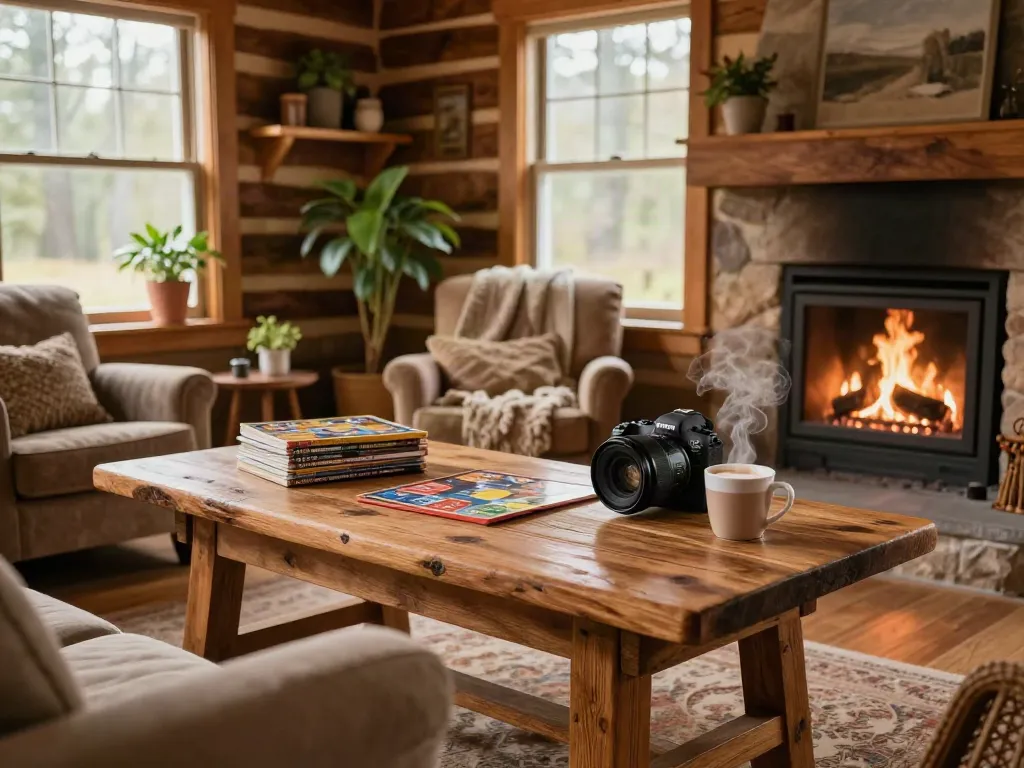
Understanding Log Tables: The Basics
Log tables have emerged as a captivating addition to modern interior design, bridging the gap between rustic charm and contemporary aesthetics. As homeowners and designers increasingly seek unique, natural materials for their spaces, log tables offer both functionality and an organic touch. Whether you're an enthusiast looking to enhance your home décor or a novice exploring the world of rustic furniture, tabletoplog.org provides comprehensive insights that cater to your evolving needs.
What Makes Log Tables Unique?
What sets log tables apart from other types of furniture is their distinct natural beauty, characterized by unique grain patterns and textures. Each table tells its own story, derived from the specific tree from which it was crafted. The irregular shapes and sizes contribute to their one-of-a-kind appeal. Log tables are not merely functional; they serve as conversation pieces that invite admiration and interest from guests.
Materials and Construction Techniques
Log tables are typically crafted from hardwoods such as oak, walnut, or maple, chosen for their durability and aesthetic qualities. The construction process often involves minimal processing to maintain the integrity of the wood. Techniques vary from traditional joinery to modern methods, including epoxy filling for cracks and imperfections. These considerations not only preserve the natural look but also enhance the table's strength and longevity.
Benefits of Using Log Tables in Home Décor
- Durability: Log tables are robust and stand the test of time, making them a worthwhile investment.
- Versatility: They can complement various interior styles, from rustic cabins to modern minimalist homes.
- Eco-Friendliness: Sourced from sustainable forests, log tables exemplify a responsible choice for environmentally conscious consumers.
- Warmth and Aesthetics: The natural wood tones bring warmth and character, enhancing the overall ambiance of your space.
Designing with Log Tables for Your Space
Incorporating log tables into your home design requires thoughtful considerations to optimize their presence within your space. They can harmoniously fit into a variety of settings, making them a versatile choice for different room types and styles.
Incorporating Log Tables in Different Interior Styles
Log tables can enhance diverse interior design themes, from rustic to eclectic. In a traditional farmhouse setting, a large log dining table can serve as the central piece, surrounded by mismatched chairs that maintain the homey feel. Conversely, in a contemporary minimalistic living room, a sleek, polished log coffee table can create a striking contrast against clean lines and modern furnishings. This adaptability makes log tables highly sought after in various styling contexts.
DIY Tips for Customizing Your Log Table
For those who enjoy personalized decor, customizing a log table can be a rewarding project. Consider these DIY tips:
- Staining: Enhance the natural wood grain by applying a wood stain that complements your existing color palette.
- Epoxy Resin: Fill any imperfections or cracks with epoxy resin to create a smooth finish while preserving character.
- Adding Legs: For a modern twist, consider adding metal or wooden legs, transforming a rustic log top into a contemporary piece.
Complementary Décor: Accessories and Textiles
To elevate the aesthetic of your log table, think about integrating accessories and textiles that complement its natural beauty. Textiles like woven table runners or cotton placemats can soften the table’s appearance, while decorative items like ceramic vases or candles add personality. In addition, surrounding the table with plants can create an inviting, earthy atmosphere that emphasizes the log's organic roots.
Maintaining Your Log Table: Best Practices
Proper care is essential to preserve the beauty and functionality of log tables over the years. Understanding maintenance practices can increase their lifespan significantly.
Cleaning and Care for Longevity
Log tables should be cleaned regularly using a soft cloth and a mixture of mild soap and water. Avoid harsh chemicals that can damage the wood finish. Additionally, it is advisable to periodically apply a food-safe mineral oil to nourish the wood and maintain its luster.
Identifying and Repairing Common Issues
Common issues such as scratches or water rings can occur on log tables. For minor scratches, sanding the affected area lightly and reapplying the finish may suffice. Water rings can be eliminated by placing a cloth over the ring and applying a hot iron briefly, allowing the heat to lift the moisture out of the wood.
Sealing and Finishing Techniques for Durability
Different finishing techniques can enhance the durability of log tables. Polyurethane finishes provide excellent protection against moisture and scratches, while natural oils like tung or linseed oil allow the wood to breathe. When applying these finishes, ensure they are appropriate for the intended usage of the table—dining tables may require a more robust finish due to higher wear and tear.
Trending Styles and Innovations in 2026
The world of interior design is ever-evolving, and log tables are no exception. In 2026, we are witnessing exciting trends that merge modern design principles with the timeless appeal of natural wood.
Modern Design Meets Rustic Aesthetics
Contemporary interpretations of log tables are emerging, blending sleek metal elements with rustic wood. This juxtaposition not only updates the traditional log table but also aligns with current design trends that emphasize contrast and visual interest. Minimalist designs featuring clear glass tops on log bases are gaining popularity, appealing to savvy consumers looking for unique statement pieces.
Eco-Friendly Approaches and Sustainable Practices
Consumers are increasingly drawn to eco-friendly practices, prompting manufacturers to prioritize sustainability in sourcing materials. Many companies now offer log tables made from reclaimed wood, which not only minimizes waste but also adds unique character to each piece. This practice resonates with environmentally conscious buyers who value both quality and sustainability.
Future of Log Tables in Home Design
As we progress, the future of log tables appears bright. Architects and designers are likely to continue integrating these natural pieces into innovative designs that bridge indoor and outdoor living spaces. The customizable nature of log tables also opens doors for personalization, allowing homeowners to create furniture that reflects their unique tastes.
Frequently Asked Questions
How do I choose the right log table for my home?
Consider your space's size, style, and functionality. Measure your area to ensure the table fits comfortably, and choose a design that complements your existing décor.
Can I use a log table outdoors?
Yes, many log tables are suitable for outdoor use, especially those treated with weather-resistant finishes. However, it's essential to cover them or bring them indoors during severe weather to prolong their lifespan.
What are some popular styles for log tables?
Popular styles include rustic farmhouse, industrial, and modern minimalist designs. Your choice should reflect both your personal style and the overall aesthetic of your space.
How can I enhance the natural beauty of my log table?
Highlight the natural beauty by using minimal accessories and complementary colors. A simple glass vase with fresh flowers or a decorative bowl can accentuate the table's grain and texture.
Where can I find high-quality log tables?
High-quality log tables can be found at specialty furniture stores, craft fairs, and online retailers. Always look for sellers who prioritize sustainable sourcing and craftsmanship to ensure you are getting a quality product.