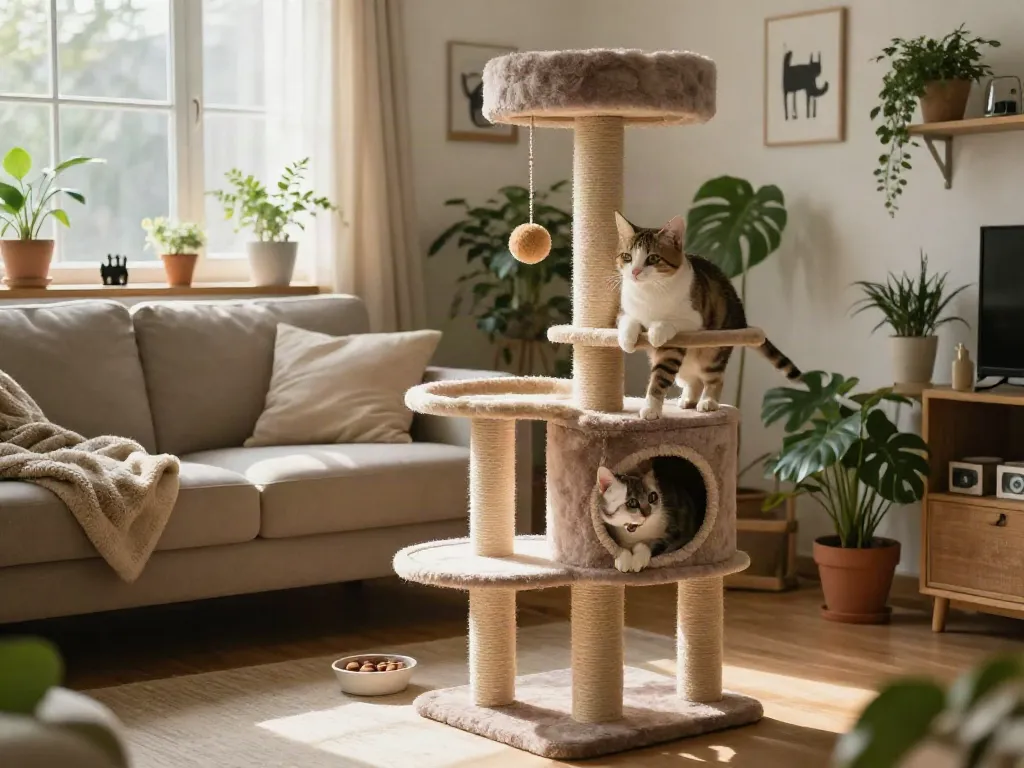
Understanding Cat Trees: Benefits for Your Feline Friend
Cat trees are essential pieces of furniture for many cat owners, serving as vertical playgrounds which cater to the natural instincts of our feline companions. Not only do they provide a designated space for climbing, scratching, and lounging, but they also help keep your home organised and your cat engaged. When exploring options, cat tree offerings can provide comprehensive insights into the various models available.
What is a Cat Tree?
A cat tree, also known as a cat condo or cat tower, is a multi-level structure designed specifically for cats. These structures come equipped with various features such as platforms, scratching posts, and cozy hideaways. Cat trees come in numerous styles and sizes, catering to the needs and preferences of different cats and homes. They are not just toys; they serve multiple purposes, creating a safe environment for cats to express their natural behaviours.
Key Features to Look For in a Cat Tree
When selecting a cat tree, several features should be considered to ensure it meets the needs of your feline friend:
- Height: Taller trees provide more climbing space and are ideal for more active cats.
- Stability: Ensure the cat tree is sturdy enough to withstand vigorous play without tipping over.
- Materials: Look for durable materials that offer both comfort and longevity, such as wood and high-quality fabrics.
- Scratching areas: Incorporating sisal-wrapped posts provides a dedicated space for cats to scratch, which is crucial for their claw health.
- Hideaways: Enclosed spaces give your cat a sense of security and a perfect napping spot.
Benefits of Cat Trees for Cats and Owners
Investing in a cat tree offers numerous benefits, both for your cat and you as an owner:
- Encourages exercise: Cat trees stimulate physical activity, keeping your cat fit and healthy.
- Reduces furniture damage: With dedicated scratching areas, cats are less likely to use your furniture for this purpose.
- Mental stimulation: The varying heights and levels provide mental enrichment, keeping cats engaged.
- Stress relief: Having a vertical space allows shy or anxious cats to feel safe and secure.
- Bonding opportunities: Multi-cat households can benefit as cats learn to share and play together on a cat tree.
Choosing the Right Cat Tree: Buyer’s Guide
Selecting the perfect cat tree can be overwhelming given the wide array of designs and features available. It’s important to assess your cat’s personality and needs, alongside your living space.
Factors to Consider When Selecting a Cat Tree
When choosing a cat tree, consider the following factors:
- Size of your cat: Larger breeds may require sturdier and larger trees that can accommodate their weight and size.
- Space available: Measure the area where you plan to place the tree to ensure it fits without crowding the room.
- Cat’s activity level: High-energy cats will enjoy a tree with plenty of climbing opportunities, while older cats may prefer a lower structure.
Popular Designs and Their Advantages
Various designs of cat trees cater to different needs:
- Multi-level trees: These provide ample climbing space and are great for active cats.
- Corner cat trees: These fit snugly into corners, maximizing space in smaller rooms.
- Wall-mounted trees: Ideal for homes with limited floor space, offering climbing surfaces without taking up ground area.
- Cat trees with hammocks: Offering relaxation zones, these designs provide additional comfort for your cat.
Common Mistakes to Avoid When Buying
When selecting a cat tree, avoid these common pitfalls:
- Choosing a tree that is too small for your cat’s size.
- Overlooking the importance of stability; ensure the base is sufficiently weighted.
- Ignoring material quality, which affects durability and safety.
- Failing to consider your cat’s habits and preferences.
Top Cat Tree Brands of 2026: Our Review
The market for cat trees continues to expand, with numerous brands offering innovative designs. Researching top brands can help identify the best options for your needs.
Comparing Cat Tree Features: What Sets Them Apart?
Key features vary significantly across brands, often highlighting unique selling propositions. For example, brands focusing on eco-friendly materials may appeal to environmentally conscious owners, while others may prioritize luxurious designs. Consider what matters most to you and your cat.
User Reviews and Ratings for Leading Brands
Reviews and ratings can provide insight into the functionality and durability of cat trees. Look for user feedback on stability, ease of assembly, and how well these trees withstand daily use. Brands with high ratings are often indicative of quality.
Best Value Cat Trees Based on Customer Feedback
Value doesn’t just mean low price; it encompasses durability and features relative to cost. Seek out products that have garnered positive reviews highlighting longevity and cat satisfaction.
Cat Tree Maintenance: Keeping It Fresh and Safe
Proper maintenance is essential to extend the life of your cat tree and ensure a safe play environment for your pets.
Routine Cleaning and Care Tips for Cat Trees
Regular cleaning is necessary to prevent the build-up of fur and bacteria:
- Vacuum the surfaces weekly to remove hair and debris.
- Wipe down wooden parts with a damp cloth to keep them clean.
- Check scratching posts for wear and replace them if necessary.
When to Replace Your Cat Tree
Signs of wear and tear, such as broken parts or significant instability, indicate that it may be time to replace your cat tree. Regular inspections will help you determine when replacement is necessary.
Ensuring Safety for Active Cats: Maintenance Tips
Ensure all parts of the cat tree are secure and regularly check for loose screws or parts. Monitor your cat’s behaviour to identify any potential hazards or risks associated with wear.
Future Trends in Cat Trees: What's Next?
The pet furniture market is continually evolving, with exciting trends on the horizon for 2026.
Emerging Materials and Sustainable Designs
As sustainability becomes increasingly important, more brands are using eco-friendly materials in their designs. This trend will likely expand, allowing environmentally conscious consumers to make responsible choices for their pet’s furniture.
Smart Cat Trees: Technology Integration for 2026
Smart technology is beginning to make its way into pet products. Features like built-in sensors that monitor your cat’s activity may soon be commonplace, providing valuable insights into your pet’s behaviour.
Expert Predictions on Cat Furniture Trends
Experts predict that cat trees will become more integrated into home décor, with designs that harmonise with modern interior styles becoming increasingly available. This shift reflects a growing understanding of the importance of aesthetics in pet furniture.
What size cat tree is best for my home?
The size of the cat tree should correlate with both the size of your cat and the available space in your home. Ensure it fits comfortably in the intended area while providing ample room for your cat to climb and play.
How do I introduce my cat to a new cat tree?
To introduce a cat tree, place it in a familiar area. Use treats or toys to encourage your cat to explore the new structure. Patience is key; allow your cat to approach it at their own pace.
Are cat trees suitable for multiple cats?
Many cat trees are designed with multiple platforms and scratching posts, making them ideal for multi-cat households. Ensure that the tree is large enough to accommodate all cats comfortably and provide enough resources for play.
What materials are best for a durable cat tree?
Wood and high-quality upholstery are often the best materials for durability. Look for solid wood structures and carpets that can withstand scratching and climbing.
How can a cat tree benefit my active cat?
Active cats require stimulation that cat trees provide through climbing and playing. These structures encourage physical activity, helping to maintain a healthy weight and reducing boredom-related behaviour issues.